
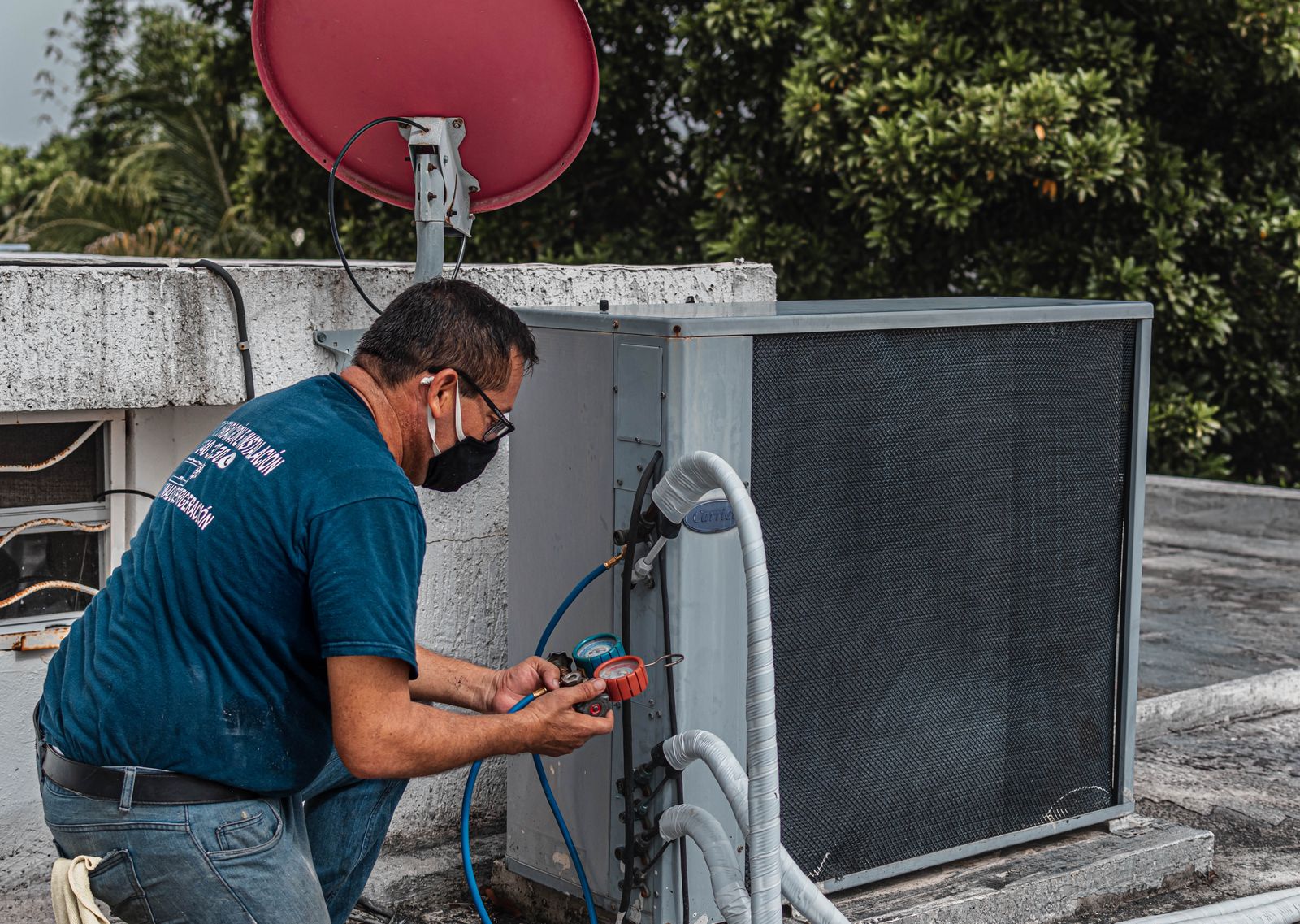
Every fall, before the first hard freeze, your furnace deserves an hour of professional attention. A furnace tune-up is a single thorough visit: we inspect, clean, test, and adjust the whole heating side of your system so it runs safely and efficiently all winter. It's the cheapest insurance against a January breakdown.
In Fort Collins, furnaces work harder than in most places — six months of heating, sub-zero snaps, and dry dusty air gumming up sensors. A tune-up in September or October means any problem gets found on our schedule, not at 2 a.m. when it's ten below.
Schedule your fall tune-up: call (970) 555-0100 or check availability online.
What we do during a furnace tune-up
This isn't a quick glance. Our technician works through the full heating checklist:
- Heat exchanger inspection: visual and camera check for cracks, rust, and corrosion. This is the safety-critical item; a cracked exchanger can leak carbon monoxide.
- Ignition system: clean the flame sensor, inspect the hot surface ignitor or spark assembly, and verify reliable lighting across multiple cycles.
- Burners: clean and inspect for proper flame pattern; a lazy yellow flame means adjustment is needed.
- Gas pressure and combustion: verify manifold pressure and check combustion with an analyzer on high-efficiency units.
- Safety controls: test limit switches, rollout sensors, and pressure switches to confirm they'll shut the furnace down if something goes wrong.
- Blower assembly: inspect the motor, wheel, and belt (if equipped); check amp draw against the nameplate.
- Electrical: tighten connections, inspect the control board, test the capacitor.
- Flue and venting: check for blockages, corrosion, and proper draft.
- Filter: replace or clean it, and confirm you're using the right size and type.
- Thermostat: verify calibration and anticipator settings; test several full heating cycles.
- Carbon monoxide check: ambient CO reading around the furnace and in the supply air.
You get a written report: what we checked, what we found, measurements that matter, and anything to keep an eye on.
Why fall is the right time
Three reasons. First, problems found in October are cheap and convenient; the same problems found in January are emergency calls. Second, technicians aren't slammed in the fall — you get flexible scheduling instead of competing with every no-heat call in town. Third, a tuned furnace burns less gas from the very first cold night, so the tune-up starts paying back immediately.
If you missed the fall window, a tune-up is still worth doing mid-winter. Late is better than never — we'd rather find a cracked heat exchanger in December than have it find you.
Furnace tune-up vs. full maintenance plan
A tune-up is one visit focused on heating. If you also want the spring AC checkup, priority scheduling, and repair discounts, that's what our maintenance plans bundle together — usually for less than two individual visits. Many customers start with a fall tune-up and convert to the plan after seeing the report. Either way, the furnace gets what it needs.
We also tune up air conditioners in spring — same thorough approach on the cooling side: coils, refrigerant, electrical, and airflow. Ask when you call if you want both seasons covered.
What a tune-up can catch early
Real examples from fall visits: ignitors with hairline cracks that would have failed in the first cold snap. Flame sensors coated enough to start short-cycling. Blower motors drawing high amps — a warning sign weeks before seizure. Heat exchangers with early corrosion worth monitoring. Condensate traps on high-efficiency units half-clogged before they could shut the system down. None of these announce themselves; all of them show up in the readings.
What affects the cost of a tune-up
A tune-up is flat-rate — one price for the visit. For reference, a 2026 Northern Colorado pricing guide puts a one-time tune-up visit at $120–$180 in this area (national range $70–$200 per Angi's 2026 cost guide) — market figures, not our price. What can change the total is what we find: a filter that needs replacing, an ignitor that's cracked, a thermostat that's miscalibrated. We quote any additional work before doing it. The tune-up itself never turns into a surprise bill.
Related services: HVAC Maintenance Plans, Furnace Repair, Furnace Installation
Frequently Asked Questions
How often should you service your furnace in Colorado?
What does a furnace tune-up include?
How long does a furnace tune-up take?
Will a tune-up lower my gas bill?
My furnace is only two years old. Does it need a tune-up?
Can you tune up my AC at the same visit?
Call (970) 555-0100 to schedule your furnace tune-up in Fort Collins, CO. Fall slots fill up — book before the first freeze.