
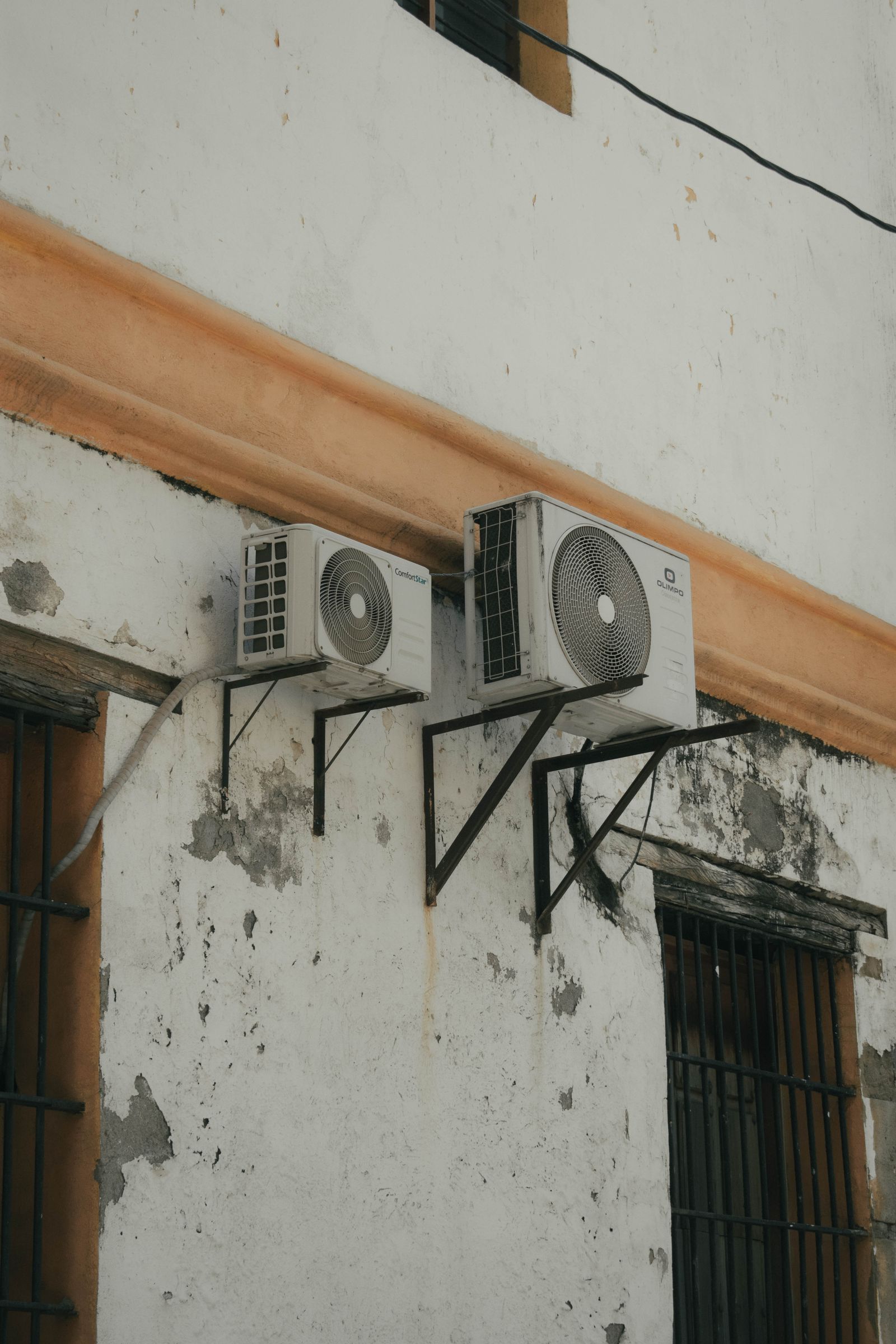
Installing a new air conditioner is the one HVAC decision you live with for 15 to 20 years. The equipment brand matters less than most people think. What matters is sizing it right, installing it cleanly, and setting up the refrigerant charge and airflow correctly on day one. That's where we focus.
Fort Collins homes make sizing interesting. A 1970s ranch near Old Town with original insulation has completely different cooling needs than a new build in Timnath. We size every installation to the actual house — not a square-footage rule of thumb, and not the size of the unit being replaced.
Ready for a new AC? Call (970) 555-0100 to request a quote, or check availability online.
Why sizing matters more than brand
An oversized air conditioner cools too fast, shuts off, and never runs long enough to dehumidify — cold, clammy rooms and higher bills. An undersized unit runs nonstop on hot days and wears out early. Either mistake costs you monthly for the life of the system.
We run a load calculation on your home — measuring insulation, windows, ceiling heights, sun exposure, and ductwork capacity — then match the equipment to what the house actually needs. In Fort Collins, our dry air and cool nights mean many homes cool comfortably with a smaller system than a humid-climate chart would suggest. And the ductwork side matters as much as the box: per ENERGY STAR, a typical duct system leaks away 20–30% of the air moving through it, so we evaluate your ducts as part of every install. Getting all of that right is the whole game.
Choosing the right system
Most Fort Collins homes pair a central air conditioner with a gas furnace, and that's a solid setup. When we talk through options with you, here's what we cover:
- Efficiency ratings (SEER2): higher ratings use less electricity per hour of cooling. We show you the real payback math for your usage instead of pushing the top tier by default.
- Single-stage vs. two-stage vs. variable-speed: staged and variable systems run longer at lower power, which evens out temperatures between floors and handles our 40-degree day-night swings better.
- Refrigerant type: new systems use current refrigerants; if your old unit still runs on a phased-out type, replacement ends that headache permanently.
- Heat pump alternative: some homes are better served by a heat pump that handles both heating and cooling. If yours is one of them, we'll say so. (Heat Pump Services)
- Swamp cooler conversions: if your evaporative cooler can't keep up anymore, or you want real temperature control, we can convert you to refrigerated air.
We install all major residential brands and recommend based on your house, your budget, and your priorities — not a sales quota.
What's included in our installation
A proper installation is a full day's work, sometimes two. Here's the process:
- Home evaluation and load calculation. We measure, inspect the ductwork, check electrical capacity, and confirm the best equipment match.
- Your quote. One price for equipment, labor, permits, and everything else. No line-item surprises later.
- Permits. We pull the required Larimer County or city permits and schedule inspections.
- Old system removal. We recover refrigerant per EPA rules and haul the old equipment away.
- New equipment set. Outdoor condenser placed on a level pad, indoor coil matched to the furnace or air handler, new line set or a flushed existing one.
- Refrigerant charge and airflow setup. We weigh in the charge, verify superheat and subcooling, and set blower speed for the ductwork.
- Thermostat setup and walkthrough. We program your thermostat with you and show you the filter, the disconnect, and what normal sounds like.
Fort Collins installation considerations
A few local details shape how we install here. New construction in Severance, Windsor, and Timnath often has tight, well-sealed envelopes — great for efficiency, but the ductwork design has to be right or some rooms starve. Older homes around the university and Old Town may need electrical panel upgrades to feed a new condenser, or ductwork repairs before a new system can breathe properly. And if your home still runs a swamp cooler on the roof, converting to AC means new electrical, new duct connections, and closing off the old roof curb — we handle all of it.
Hail is worth planning for, too. We can install hail guards on the new condenser so the next spring storm doesn't bend your fins on day one.
What This Costs in the Fort Collins Area
These are researched market ranges from national and Colorado-regional sources (HomeAdvisor's June 2026 data, via NorthAir), NOT our prices — every home is different. Request a quote for your exact cost.
| Item | Market range | What drives the range |
|---|---|---|
| Central AC replacement (installed) | $3,887–$8,073 (avg ~$5,978) | SEER2 efficiency tier + tonnage/home size; ductwork condition |
| Full HVAC system (heating + cooling, installed) | $5,000–$12,500 (avg ~$7,500) | Whether heating and cooling are replaced together; equipment tiers |
What affects the cost of AC installation
No flat prices here — too many variables. What moves the number:
- System size and efficiency: bigger tonnage and higher SEER2 cost more up front.
- Equipment type: single-stage vs. variable-speed is a significant step.
- Ductwork condition: new duct runs or major repairs add to the project.
- Electrical work: panel upgrades or new circuits if your service can't feed the condenser.
- Permits and inspections: required, and included in our quote.
- Removal and disposal: refrigerant recovery and hauling the old unit.
Related services: AC Repair, Furnace Installation, Smart Thermostats
Frequently Asked Questions
How do I know if I need a new AC or just a repair?
What size air conditioner does my house need?
How long does AC installation take?
Will a new AC lower my electric bills?
Do I need to replace my furnace at the same time as my AC?
What happens to my old air conditioner?
Call (970) 555-0100 for AC installation in Fort Collins, CO. We'll size it right, install it clean, and stand behind the work.