
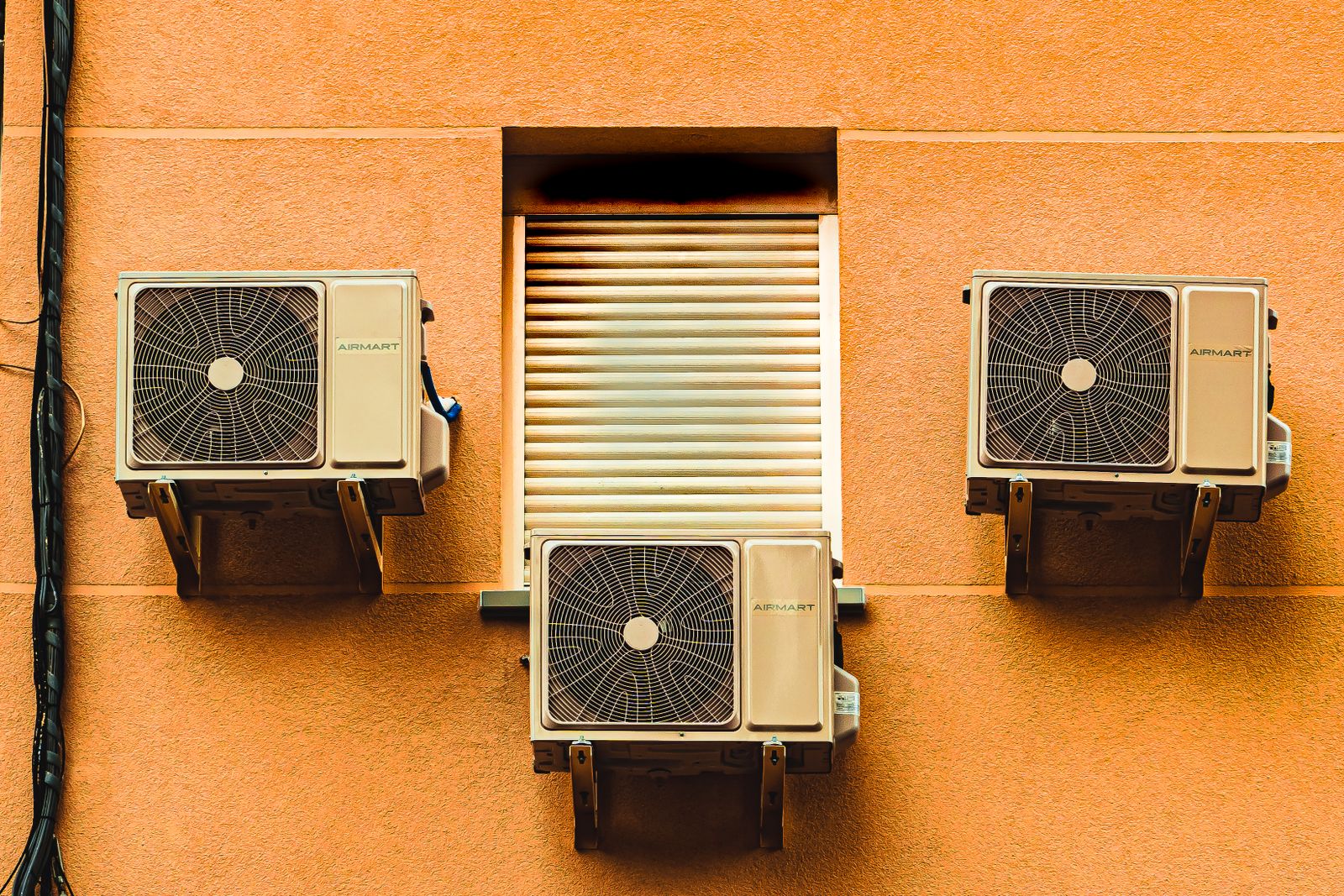
A heat pump is the only system that heats and cools your whole house with one piece of equipment. It moves heat instead of making it. It pulls warmth from outside air in winter and dumps indoor heat outside in summer. In Fort Collins, where we need serious heating for half the year and real cooling for the other half, that two-for-one math is worth a serious look.
We install, repair, and maintain heat pumps across Fort Collins and Larimer County — including cold-climate models and dual-fuel setups that pair a heat pump with a gas furnace.
Curious if a heat pump fits your home? Call (970) 555-0100 to request a quote, or check availability online.
How heat pumps handle a Fort Collins winter
The honest question everyone asks: does it actually heat when it's zero degrees outside? Modern cold-climate heat pumps keep producing heat well below zero — not as efficiently as on a mild day, but they keep working. Below a certain point, output drops and the system leans on backup heat.
That's why we talk through two setups:
- All-electric heat pump: for homes without gas service or owners who want off gas entirely, with electric backup for the coldest stretches.
- Dual fuel: the heat pump heats until temperatures drop past the economic switchover point, then the gas furnace takes over. The setup we recommend most in Northern Colorado.
Our elevation and dry air actually help. Heat pumps move heat more easily in dry air, and our abundant winter sunshine warms the outdoor unit's surroundings during the day.
Heat pump installation: getting it right
Sizing a heat pump is trickier than sizing a furnace or AC alone, because one unit has to satisfy both the heating load and the cooling load. In Fort Collins, the heating load is much bigger. We run a full load calculation and size for the balance that keeps you comfortable in January without short-cycling in July.
Installation includes the outdoor unit on a raised stand (above snow drift level, which matters here), the indoor air handler or coil, refrigerant lines, electrical, condensate drainage, and thermostat setup. We also set the defrost controls correctly. The outdoor coil ices up in winter by design, and the system has to melt that ice on a proper cycle without you noticing.
Heat pump repair and maintenance
Heat pumps run year-round, so they accumulate wear faster than a furnace or AC that each rest half the year. The parts we service most:
- Reversing valve: the component that flips the system between heating and cooling. When it sticks, you get one mode but not the other.
- Defrost controls and sensors: a failed defrost cycle lets ice choke the outdoor coil until the system can't move heat.
- Refrigerant charge: heat pumps are pickier about exact charge than straight ACs; even a small leak shows up as weak heating.
- Outdoor fan and compressor: year-round runtime means these work twice as hard as in a cooling-only system.
- Backup heat elements: electric strips that should only run in extreme cold. If they're running constantly, something upstream is wrong and your electric bill will tell you.
Because they never get an off-season, heat pumps reward regular maintenance more than any other system: a spring and fall checkup keeps the charge right, the coils clean, and the defrost cycle honest.
When a heat pump beats furnace + AC
Not every home is a heat pump home. You're a strong candidate if your furnace and AC are both aging out at once — one installation instead of two, and per ENERGY STAR a qualifying heat pump uses at least 20% less energy than a new standard model, so the efficiency jump is real. Other good candidates: no gas service, or wanting to cut fossil fuel use without giving up comfort. You're a weaker candidate if your ductwork is in bad shape — a heat pump can't fix leaky ducts — or if your electrical panel can't feed the backup heat. We tell you which camp you're in during the estimate.
What This Costs in the Fort Collins Area
These are researched market ranges from national and Colorado-regional sources (Modernize's 2026 heat pump cost guide and HomeAdvisor), NOT our prices — every home is different. Request a quote for your exact cost.
| Item | Market range | What drives the range |
|---|---|---|
| Heat pump system, air-source ducted (installed) | $4,500–$12,000 (avg ~$9,000) | Standard vs. cold-climate model; efficiency tier + any electrical upgrades |
What affects the cost of heat pump work
- System type: air-source is standard; the cold-climate rating level steps the price.
- Single vs. dual fuel: adding or keeping a gas furnace changes the project scope.
- Electrical: backup heat strips and the outdoor unit may need panel or circuit upgrades.
- Existing ductwork: usable ducts keep costs down; replacement adds on.
- For repairs: same factors as any HVAC repair: which part, accessibility, refrigerant involved.
Related services: Mini-Split Systems, Furnace Installation, HVAC Maintenance Plans
Frequently Asked Questions
Do heat pumps really work when it's below zero in Fort Collins?
What's the difference between a heat pump and a mini-split?
Will a heat pump lower my heating bills compared to a gas furnace?
How long do heat pumps last?
Why is my heat pump blowing cold air in winter?
Should I get a heat pump or a furnace in Colorado?
Does a heat pump need different maintenance than a furnace and AC?
Call (970) 555-0100 for heat pump services in Fort Collins, CO. One system, year-round comfort — we'll tell you honestly if your home is a fit.