
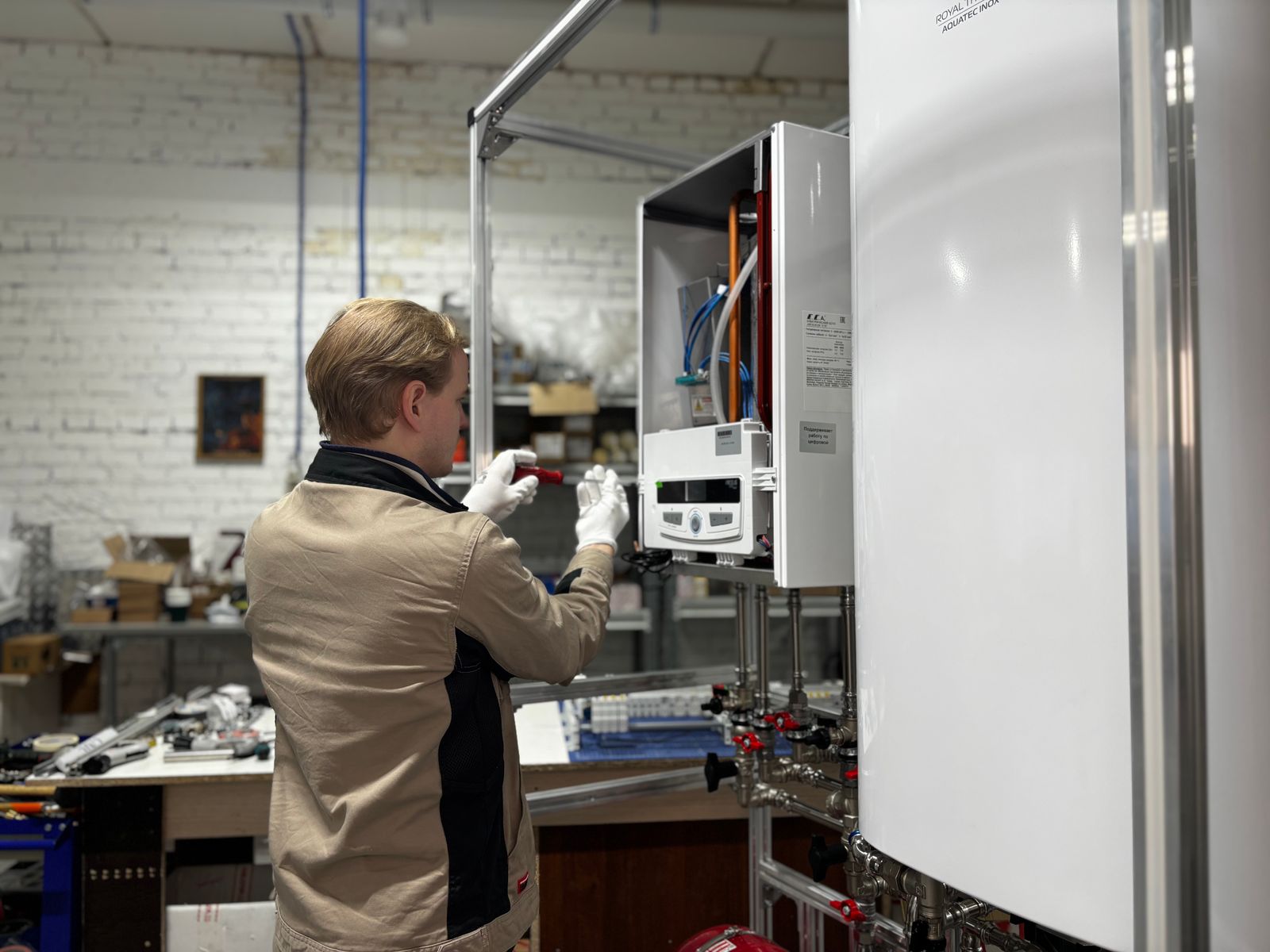
A furnace that quits in January in Fort Collins isn't an inconvenience — with overnight lows well below zero, it's a race against frozen pipes. We treat no-heat calls with that urgency: find the failed part, show you, fix it, test it.
Most furnace failures come down to a short list: the ignition system, the flame sensor, the blower motor, or the control board. We've seen them all hundreds of times, so most repairs are diagnosed in the first half hour and finished the same visit.
No heat? Call (970) 555-0100 now. After-hours calls go to our emergency line.
What actually breaks on a furnace
Furnaces have fewer moving parts than people think, and failures follow patterns. Here's what we find on most repair calls:
- Ignition failure: Modern furnaces use a hot surface ignitor or direct spark ignition instead of a standing pilot. Ignitors crack with age and simply stop glowing. It's one of the most common winter repairs and usually a quick fix.
- Dirty flame sensor: The sensor that confirms the burners lit gets coated with carbon, the furnace lights then shuts right back down, and the cycle repeats. Cleaning or replacing it takes minutes.
- Blower motor problems: The blower moves heated air through your ducts. When it fails, the furnace overheats and trips its safety limit. You'll hear the burners fire, then everything shuts down.
- Failed control board: The circuit board that sequences the whole operation. Power surges from winter storms kill these, and symptoms can look random.
- Cracked heat exchanger: The serious one. The heat exchanger keeps combustion gases separate from your breathing air. A crack can let carbon monoxide into the ductwork. If we find one, the furnace is done. We shut it down and talk replacement, because no repair makes a cracked heat exchanger safe.
- Clogged condensate line (high-efficiency furnaces): Condensing furnaces drain acidic water. When the line freezes or clogs, the furnace shuts off to protect itself.
Signs your furnace needs repair
- No heat, or heat that never reaches the thermostat setting
- The furnace starts, then shuts off after a few minutes (short cycling)
- Cold air blowing from the vents when the heat is on
- New sounds: banging at startup, rattling, squealing, or a loud boom when burners ignite
- The pilot light is yellow instead of blue (older furnaces)
- Your carbon monoxide detector goes off — leave the house and call 911 first, then us
- The system runs constantly without warming the house
- Frequent breaker trips or a burning smell from the vents
Before you call, check two things: the thermostat is set to HEAT with fresh batteries, and the furnace switch (it looks like a light switch near the unit) is on. You'd be surprised how often a bumped switch is the whole problem.
Fort Collins furnace realities
Our winters punish furnaces. Sub-zero cold snaps run systems hard for weeks, and the dry air means static and dust buildup on sensors and ignitors. Homes in Old Town and the older neighborhoods often run furnaces from the 90s or earlier — units that still heat fine but are living on borrowed ignitors and aging control boards. Newer builds in Timnath and Severance run high-efficiency condensing furnaces, which are great until a condensate line freezes during a polar vortex and shuts the whole system down.
One local note: many Fort Collins homes have the furnace in an unheated garage or crawlspace. Those installations need the condensate drain protected from freezing, and we check that on every winter visit.
Altitude also changes how furnaces perform here. Per the National Fuel Gas Code (NFPA 54), gas input must be derated about 4% per 1,000 feet of elevation above 2,000 feet — so at Fort Collins' 5,001 feet, a furnace gives up roughly 12–16% of its sea-level input rating. That's one more reason proper sizing matters at altitude: a unit that's fine in Denver's catalog numbers can be undersized here if the derating isn't accounted for.
What affects the cost of furnace repair
- The failed part: flame sensors and ignitors are inexpensive; control boards and blower motors cost more.
- Furnace age and parts availability: older units can need parts that take longer to source.
- Accessibility: attic and tight crawlspace installations add labor time.
- Time of call: after-hours emergency visits carry an emergency rate; daytime repairs don't.
- Heat exchanger findings: a cracked heat exchanger means replacement, not repair, and we'll show you exactly what we found.
How a furnace repair visit works
- Call or request service. Tell us what the furnace is doing. If you have no heat in freezing weather, say so — those calls go first.
- Safety check first. We verify there's no gas leak or carbon monoxide issue before anything else.
- Diagnosis. We test the ignition sequence, sensors, blower, and controls to isolate the failure.
- Quote before work. You approve the price before we touch anything.
- Repair and full-cycle test. We fix it, run the furnace through several complete heating cycles, and confirm steady operation.
If your furnace is out during extreme cold, see Emergency HVAC Repair for after-hours service.
Related services: Furnace Installation, HVAC Tune-Up, Emergency HVAC Repair
Frequently Asked Questions
My furnace turns on and off every few minutes. What's wrong?
How do I know if my heat exchanger is cracked?
Why is my furnace blowing cold air?
Should I repair my 20-year-old furnace or replace it?
What should I do if I smell gas near my furnace?
Can a dirty filter really cause my furnace to stop working?
Call (970) 555-0100 for furnace repair in Fort Collins, CO. No heat in winter gets priority — tell us when you call.